
Convert Any Image Dataset to Lance
In our article, we explored the remarkable capabilities of the Lance format, a modern, columnar data storage solution designed to revolutionize the way we work with large image datasets in machine learning.


In our article, we explored the remarkable capabilities of the Lance format, a modern, columnar data storage solution designed to revolutionize the way we work with large image datasets in machine learning.
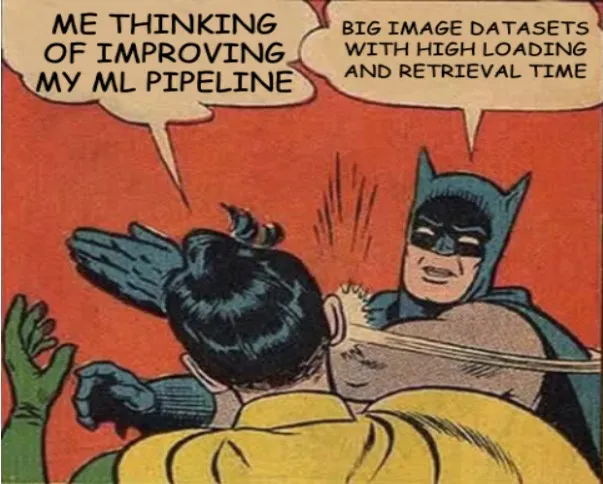
Working with large image datasets in machine learning can be challenging, often requiring significant computational resources and efficient data-handling techniques.
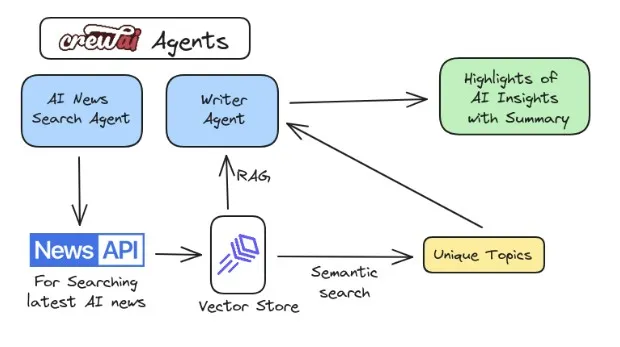
This article will teach us how to make an AI Trends Searcher using CrewAI Agents and their Tasks. But before diving into that, let's first understand what CrewAI is and how we can use it for these applications.
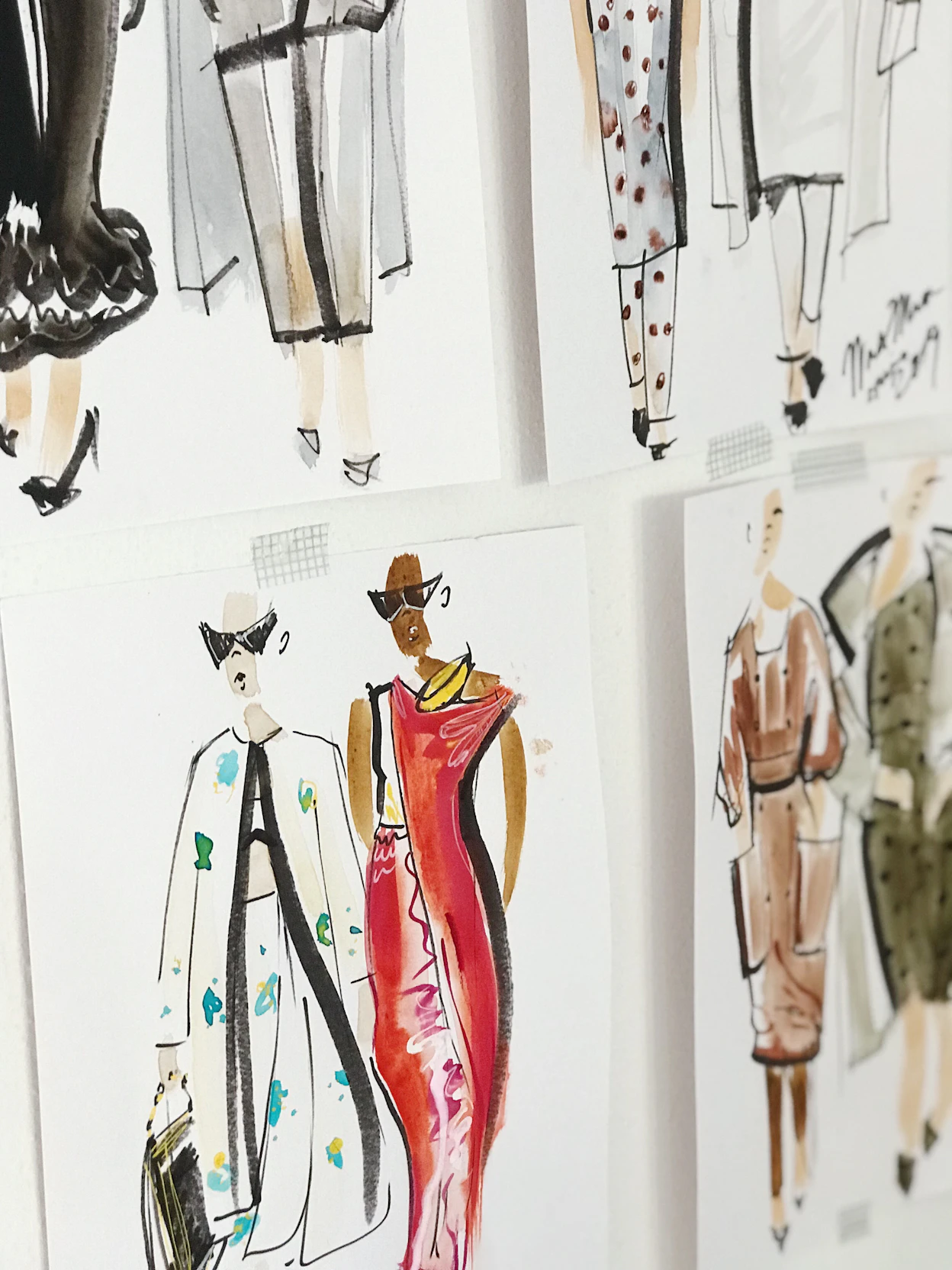
Build a multimodal fashion search engine with LanceDB and CLIP embeddings. Follow a step‑by‑step workflow to register embeddings, create the table, query by text or image, and ship a Streamlit UI.

See about custom datasets for efficient llm training using lance. Get practical steps, examples, and best practices you can use now.
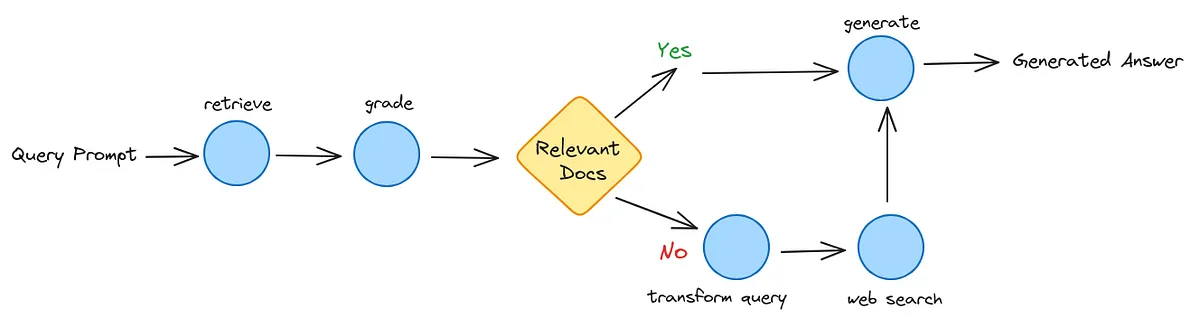
Even though text-generation models are good at generating content, they sometimes need to improve in returning facts. This happens because of the way they are trained.
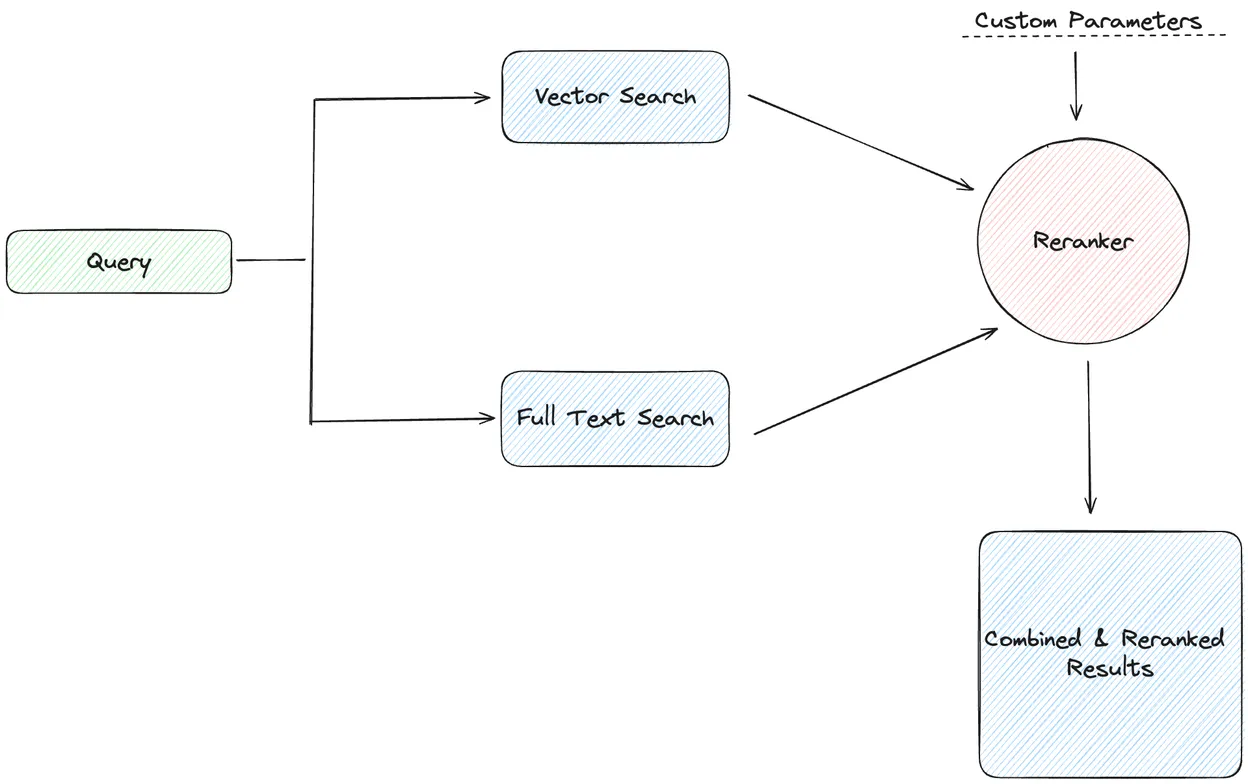
Combine keyword and vector search for higher‑quality results with LanceDB. This post shows how to run hybrid search and compare rerankers (linear combination, Cohere, ColBERT) with code and benchmarks.
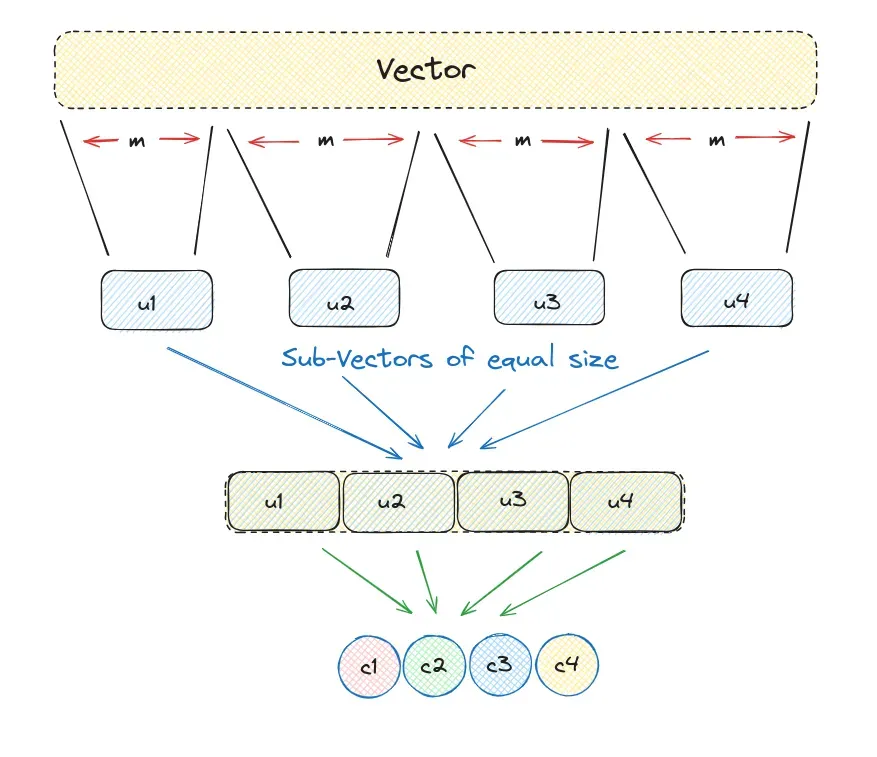
Compress vectors with PQ and accelerate retrieval with IVF_PQ in LanceDB. The tutorial explains the concepts, memory savings, and a minimal implementation with search tuning knobs.
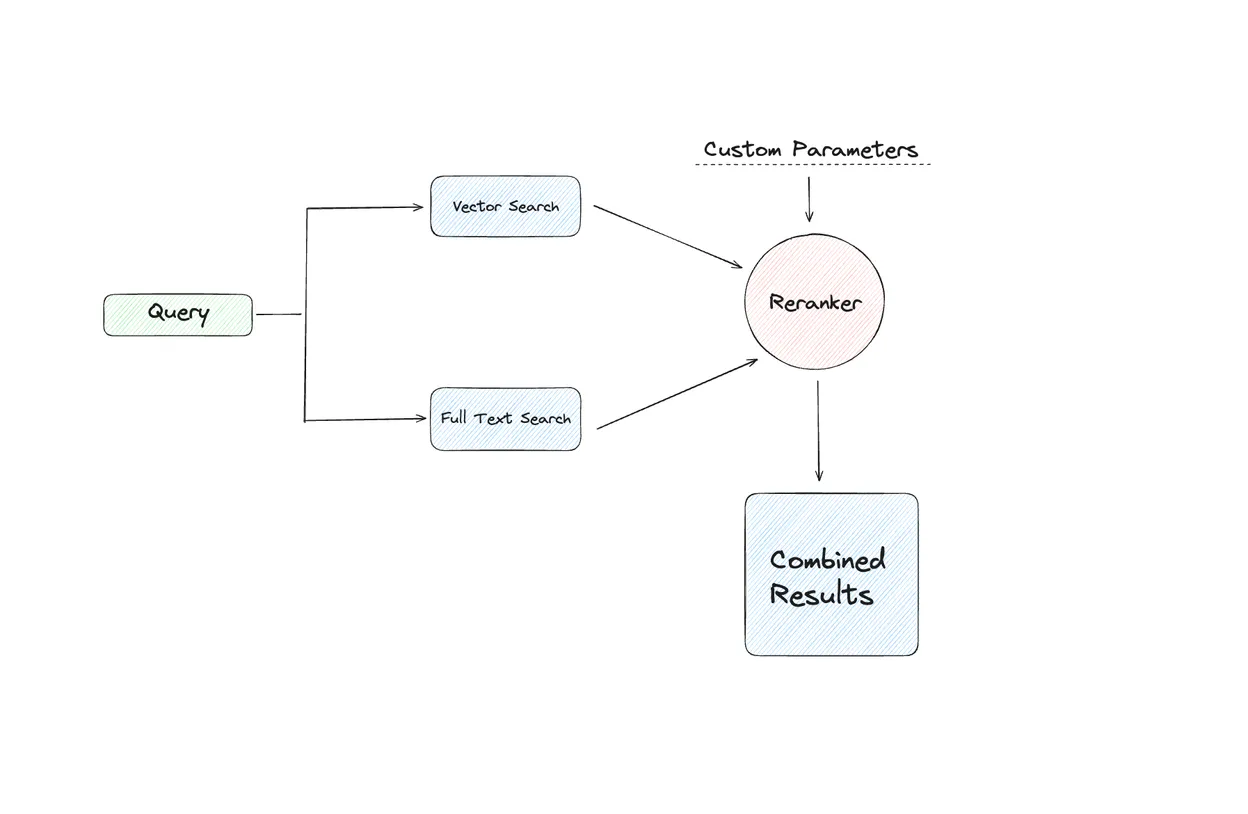
Have you ever thought about how search engines find exactly what you're looking for? They usually use a mix of matching specific words and understanding the meaning behind them.